Friday, 5 February 2016

Effective Sitting Postures That Reduces The Risk Of Back Pain

Bad posture is one of the leading causes of back pain in most people.  Most people suffer from back pain at some point in their lives. The pain may be severe but it is usually not serious, and it lasts for a few days. 


It is important to remain active when one has back pain because staying in bed all day long is likely to make the pain worse. When one is immobile, the muscles in the back and the whole body become weak, and this makes the pain to be severe. The sitting postures that can help to reduce back pain include:

Resting the feet on the floor                                              
It is important to rest the feet on the floor when one is seating. In cases where the foot does not reach the floor, one can use a footrest, and this allows one to assume a comfortable position. It is important to avoid crossing the legs as this can lead to other problems that are linked to posture.
Using the keyboard
Place the keyboard in front when typing to leave enough space for resting the wrists between bouts of rest. It is advisable to leave a space of 4-6 inches approximately. Keep the wrists in a straight position when using the keyboard. Keep the elbows in a vertical position on the side and under the shoulder. It is also advisable to use a wrist rest to keep the wrists straight and at the same level as the keys.

Adjustment of the chair
The chairs that one uses at the workstation should be stable, and this is because one spends many hours at the workstation. The standard office chair has five legs, and they are usually in a star shape. The height of the seat should be adjustable. The backrest should also be adjustable in tilt and height. The backrest should be able to move independently of the seat, and this is in order to allow a comfortable position. 
It is important to seat upright with the support of the small area at the back. The feet should be placed flat on the floor, and the hips and knees should be level. It is also advisable to use a rolled up towel or a small cushion to support the back in places where one is feeling uncomfortable. In cases where one works on a computer all day long, it is advisable to make sure that the forearms are at a horizontal while the elbows are at a right angle.
 
Keep the mouse close
It is important to position the mouse as close as possible when working. A mouse mat that has a wrist pad will help to keep the wrist straight, and this will avoid awkward bending. When the keyboard is not in use, push it to one side and keep the mouse near. It is also advisable to place the screen at the eye level to avoid straining when working. The best guide when using a screen is to place the monitor at an arm’s length away with the top roughly at the eye level. To achieve this position, one may need to get a stand for the monitor. In case where the screen is too low or too high, one will have to bend the neck, and this is likely to cause severe back pains.
Keep objects accessible
Keep the objects that are in frequent use in a place that is accessible or within easy reach. This includes the telephone, writing pad, pen, stapler, paper punch and other things that are in frequent use. It is important to avoid repeated twisting and stretching to reach things.
Avoid straining at the phone
It is important for people who spend most of their office hours over the phone to try and exchange the handset for a headset. Repeated cradling of the phone between the shoulder and the ear can strain the muscles in the neck. Most people who use the phones for long hours slouch without realizing the damage they are causing to their backs.
Conclusion
It is important to maintain the right sitting position when working and when one is at home.  It is advisable to break the long periods of working with stretching exercises to help prevent the occurrence of back pain. The practice of good and proper posture will aid in maintaining the natural curves of the back and keep it strong. The major cause of back pain is an improper posture especially at the workstations where one spends most hours of the day.


Read More »

How to Perform a Simple Breathing Exercise and Benefit Your Health


What is a breathing exercise? Is it the kind of heavy breathing you have after an exercise? Definitely not! Well according to medical dictionary, a breathing exercise is any form of exercise in which someone switches from shallow, rapid breathing to deeper and slower breathing. A breathing exercise is primarily intended to promote effective and healthy breathing. It has been proven that engaging in breathing exercises will benefit your health. How can you perform a simple and proper breathing exercise? What are the health benefits of performing breathing exercises? You’ll find out the answer very soon.

How to perform a simple breathing exercise

There are many so called techniques for breathing exercises. One common thing about them is that they all have weird Indian names. Just kidding. A proper breathing exercise doesn’t have to be too complicated. I am going to share with you a simple way to perform a breathing exercise. I learnt it from my grandmother. Now join me!

Step 1: Stay in a quiet and conducive place, where you can breath fresh air. Seat down comfortably.

Step 2: Now breath in slowly, for about four seconds. Make sure you breath into your abdomen not just your chest.

Step 3: Once you have finished breathing in for four seconds, hold your breath immediately, for another four seconds.

Step 4: Once you have held your breath for four seconds, you should exhale out for about four seconds too.

Step 5: Hold your breath after the four seconds has elapsed and breath in again, hence repeating it.
You can do this for about five to ten minutes.

Additionally you might hold your tongue against the back of your teeth, while performing the exercise. Just breath in through your nose and exhale through your mouth.
Now the next thing on your mind should be, how does this procedure help me get healthy? Let’s equally find that out!

What are the health benefits of breathing exercises?
Breathing exercises are known to help the body in various ways, lots of medical, yoga and psychology experts always recommend it for many patients. Do you know why? Read below to find out why breathing exercises are good for your health.

1. Breathing exercises are generally known to reduce stress and anxiety. It is the ideal treatment for people with psychological problems. It is also beneficial to you.

2. If you are having trouble sleeping, a simple breathing exercise before going to bed can help you sleep like a baby.

3. Since it involves breathing, a properly and regular breathing exercise will increase the efficiency of the respiratory system. Deep breathing can increase the health of your vital respiratory organs.

4. Breathing exercises has been shown to also improve the lymphatic system. That simple means that your body is easily cleansed, excess fluid is eliminated through breathing.

5. The nervous system is also benefiting when you engage in breathing exercises. It is calmer and any anxiety you have, is reversed. Mental observation is also improved.

6. It also reduces constipation and bloating.

7.  A simple breathing exercise when done daily, especially before going to work or doing any activity will increase your intuition, sharpen your focus and creativity.

What you can do now?

Make it a priority to engage is a simple breathing exercise daily, maybe in the early hours of the day. It doesn’t matter how long it is done, it should just be sufficient and done regularly.
I perform a breathing exercise every morning, you should also do the same. Let’s all get healthy now!


Source - Health Able
Read More »

Home Remedies To Get Rid of Stretch Marks Naturally

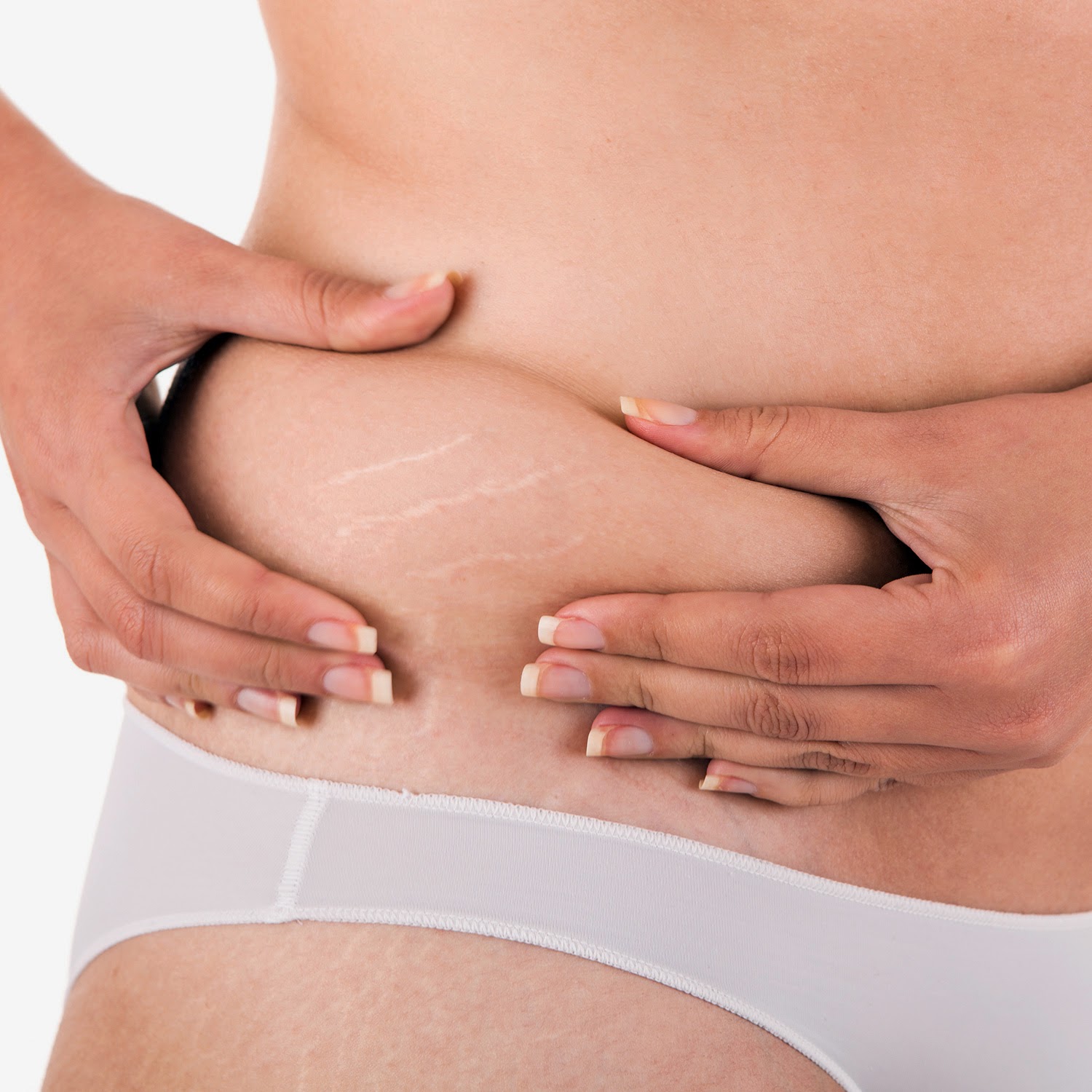
Stretch marks are caused due to two main reasons – pregnancy and sudden dramatic weight loss or gain. However you don’t have to feel miserable now because we will be introducing you to some of the most effective home remedies to get rid of these stretch marks naturally.
Let’s explore several ways to eliminate or reduce stretch marks without seeking medical intervention.


Image credit: blog.myskin.com

Cacao Butter
You should apply cacao butter on the stretch mark area of your skin. Many people have tried this application and have seen good results. It is a well known household technique practiced by many.

Lavender or Coco Oils
Application of these oils has a super moisturizing effect on the stretches. You will see the results quickly if you apply it on the stretch marks at least thrice a day at regular intervals.

Try Olive Oil
Olive oil seems to produce desired results as it is rich in Vitamin A, D and K. Apply olive oil on the stretch marks once in a day daily to see its positive effects.

Lemon Juice
You need to rub the lemon juice very gently onto the stretch marks. Let the juice remain on the mark for at least ten minutes before you rinse it with warm water. Lemon Juice is known to be naturally acidic which heals stretch marks comprehensively.

Stretch mark creams
There are many stretch mark creams available in the market, but unfortunately very few of them really stick to their claims. Don’t lose hope; instead you can give a try to dermology stretch mark cream. Buying a stretch mark prevention cream and applying it on the stretch marks should help you in eliminating those marks.
Don’t believe in any claims that the manufacturer of stretch mark cream makes; instead try those creams and see for yourself whether it works or not. 

Sugar effect
It is unbelievable to see the results that white sugar produces if mixed with almond oil and lemon juice. Apply the mixture onto the stretch marks. Rub the mixture for at least ten minutes before heading for a shower. Follow this practice for a month and you will see a considerable change in your stretch marks.

Exercise daily

Follow a regular exercise regime to erase stretch marks completely. Exercising will help you keep your muscles toned and firm, thereby, erasing and preventing stretch marks, respectively. Practice Yoga and do more of cardio to see the effects.

Potatoes
An item present in every kitchen - potatoes are extremely beneficial in treating   stretch marks by stimulating new skin cell formation. Rub thick slices of the vegetable to ensure that the juice penetrates skin layers.

Besides using oils, sugar and lemon juice, try applying a reliable stretch mark cream as well. Do a good research on many stretch mark creams that are available in the market.

You should now have the knowledge of several home remedies that would work wonderfully well on your stretch marks. These practices have been followed by many others and it worked for them and it will work for you too.
Read More »

Thursday, 5 November 2015

10 Tips for Healthy Teeth


Need the confidence to show off those pearly whites more frequently? We’re right there with you – we all want a bright white smile but getting there can be a struggle. Cracking the code for a perfect smile may not be as difficult as you imagine, though. Leading dentist Mervyn Druian says, “A good dental regime and using the right products is key to age-protect your mouth, and keep your smile looking young and healthy.” Below are our top ten tips on how to avoid unflattering stains and keep those teeth strong and bright.

1. Stop gulping down that coffee – You can avoid wearing down tooth enamel if you drink acidic drinks such as coffee, orange juice, and wine through a straw. If tooth enamel is over-eroded, your teeth become more sensitive, making it difficult to eat certain foods. Drinks like red wine and black tea also have high tannin content, meaning that the drink dries out the mouth and makes teeth sticky. So, savor that succulent red vino next time and enjoy it with a straw to protect your teeth.

2. Always brush but watch your timing – One dentist recommends having a drink of water after consuming teeth-staining beverages, but only after an hour since drinking. When you do brush, your toothpaste should eliminate bacteria and plaque, creating a protective enamel shield. Try out the UltraDEX Recalcifying and Whitening Toothpaste and Oral Rinse for protecting your teeth and gums.

3. Be gentle with your mouth – Brushing vigorously does not mean your teeth will get whiter faster. Brush gently in a circular motion twice a day to avoid gum recession, which is when your gums recede and pull away from your teeth. This exposes the tooth’s root, making the teeth more sensitive to hot and cold temperatures. Take up flossing and remember to rinse with an alcohol-free mouthwash. Using toothbrushes with ultra-soft bristles is also healthier than using a hard-bristled one.

4. Stop chomping away at ice – It might be nice on a hot day, but chewing ice and other hard foods are more likely to cause cracks on the surface of your teeth. Consult a dentist if your teeth are already showing signs of wear and tear. If you’re on the lookout for products that will help, the UltraDEX Recalcifying and Whitening range can rebuild tooth surfaces and fill in microscopic enamel cracks to strengthen, smooth, and brighten teeth. Eating very hot and very cold foods at the same time also puts distress on your teeth, so maybe rethink that combo of ice cream and coffee next time.

5. Keep the pen away – Avoid putting pens or any other foreign objects in your mouth. Making this germy act a habit can contribute to gum recession. Also, do you know where that pen was last?
6. Give your mouth a break once in a while – Too much of anything is never good, and this even counts towards oral hygiene. Although it’s great to floss regularly, take a break from it every now and then to help prevent receding gums.

7. Look into natural ways to whiten – Store-bought methods come in shiny packaging, but wouldn’t you much rather whiten your teeth with the help of food? Although fruit has natural acidity, having apples, green grapes, and bananas are a good start to whitening your teeth. Berries such as blackberries, blueberries, and cherries are highly capable of staining so eat those sparingly. According to the experts at Luster Pro Light, the trick is to opt for fruits that don’t stain your hands when handling them. Keep everything in moderation, though – even non-bright foods can promote teeth staining and soften enamel.

8. Try to keep away from snacks – After your lunch break, avoid eating or drinking for a few hours. You should also stick to drinking juice, tea, and other acidic drinks at meal times only. Doing this will slow down gum recession. As always, watch the acidity in drinks – in white wine, the acid allows other food’s staining to penetrate more deeply.

9. Don’t smoke – Despite the obvious health risks, smoking tobacco will do severe damage to your teeth. The nicotine and tar in tobacco turn teeth yellow very quickly. Longtime smokers have even reported that their teeth are practically brown after years of smoking.

10. The dentist is your friend – Ultimately, if you need some more specific help with your teeth, whether it be decay or gum problems, then it’s time to visit the dentist. Maintain regular appointments and stick to a thorough oral hygiene routine.
Here’s hoping your smile shines through! 

Read More »

Wednesday, 4 November 2015

Tips - Better Sleep At Night

Advice to stay well-rested and energized during shorter days...

With cooler Autumn months come shorter days, which means you’ll experience darker mornings and evenings with little sun in sight. Bensons for Beds and The Sleep School’s Dr Guy Meadows have created their top tips to stay well-rested, feel energised and avoid the ‘winter blues’ through a great night’s sleep. 
 
How to cope with the shorter days:
 
Light plays a vital role in maintaining our circadian rhythm, the 24 hour cycle responsible for maintaining everything from our levels of sleep and wakefulness, daily mood and mental health, as well as our body temperature and digestion. 
  
As the amount of available daylight diminishes with the arrival of winter it is common to experience a lowering of mood or the ‘winter blues’. Such seasonal depression is most pronounced in the northern hemisphere where the levels of daytime light can be as little as 4 to 5 hours per day. In such countries the rate of Seasonal Affective Disorder (SAD) or Seasonal Depression can be as high as 9.5%.
 
Not getting enough light influences mood in a number of ways. It can knock our internal body clock out of sync leading to poorer night time sleep, daytime tiredness and lower mood. Lights also has a direct impact on mood, with exposure to sunlight boosting the release of serotonin, the happy hormone. Serotonin levels have been shown to reduce in the winter months.
 
Top tips:
 
1. Light therapy in the morning – In the winter months when the mornings are at their darkest it can be a real struggle to wake up and get going. This is because the brain needs light to tell it to stop producing the sleep promoting hormone melatonin and start producing the waking hormone cortisol. Sitting in front of a light box, which emits light at the same wavelength as the sun, can help to tell your brain that it is time to wake up and boost your mood at the same time. Aim to do it for 20 – 30 mins whilst eating breakfast.   
 
2. Get outside in the day – If you’re feeling tired or low during the day then get outside for a quick sun light fix. Even if it's a cloudy day, the combination of the natural light, fresh air and exercise will help to wake you up and boost your mood!
 
3. Light up your office – Most of us spend a long time at work and so it makes sense for it to benefit us as much as possible. If you can, position your desk as close to a window as possible to reap the benefits from natural sun light. If this is not possible or your office simply doesn’t have any windows then make sure you get outside regularly into direct sun light. Alternatively ask your boss to fit special LED lighting, which changes the wavelength in accordance with the time of the day. Having a light box on your desk is also another great way of ensuring you get enough light every day.
  
4. Go orange – Whilst sunlight is helpful for waking you up, its blue wavelength needs to be avoided in the evening if you want to sleep well. Aim to switch off all blue light emitting devices such as smart phones and lap tops at least 40 minutes before going to bed. Opt for warmer orange lighting such as that emitted by side lamps. 
  
5. Take off the shades – Your brain detects the level of light using the light sensitive cells in your eyes. Make the most of it by getting as much direct sunlight onto your eyes as possible and avoid wearing sunglasses as this will limit the amount your brain receives. 
 
Preparing for the clock change:
 
On the last Sunday in October, the clocks go back one hour, ending British Summer Time. Whilst for many this means you can enjoy an extra hour in bed, for some it can lead to a worsening of sleep! Either way, Bensons for Beds and The Sleep School have created top tips on how best to prepare your body for the time shift so you still achieve your best night’s sleep and feel great the next day. 
 
1. Enjoy a lie in – This is the one day of the year that you can actually lie in and at the same time not get up any later, so make the most of it! Having said that aim to keep your sleeping pattern regular before and after the clock change, especially the time you get up in the morning, as this will help limit its impact on your night time sleep quality and daytime energy levels. 
 
2. Gradually transition – If you know you’re sensitive to the clock change then it is best to ease your body into the time shift. Go to bed and get up 20 minutes later three days before the change. This way your body clock will already be synced to the new time when it happens. For time-sensitive individuals like babies and toddlers it can be helpful to delay daytime naps, meals, baths and books.
 
3. The perfect sleep environment - Since Daylight Savings is out of your control, perfect what is in your control – your sleep haven. For best-quality sleep, ensure your room is quiet, cool, dark and comfortable.  
 
4. Stow away electronics - Since the clock change can disrupt your circadian rhythm, minimise any other disruptions that may prevent you from achieving the perfect night’s sleep. Put away mobile phones and tablets, or put them on silent to reduce sleep interruptions.
 
5. Go for a run! – Exposure to morning sunlight helps to synchronize your internal body clock and adapt it to the new time. Get your light fix by going for a run or a brisk walk outside. The added tiredness will also help you to sleep better the next night.

Read More »

Friday, 23 October 2015

Five Easy Toning Exercises you can Do Anywhere

Exercise is an important part of our lives.  Staying in shape is one way to increase your life expectancy.  Weight bearing exercises are important also for increasing muscle mass and bone density as you age.

Most of us have learned what to do when it comes to exercising.  The problem is where and when to get the job done.  With a busy lifestyle, making time for exercise is a challenge.

Weight bearing exercises aren’t just for bodybuilders.  As you age, especially once you hit the age of forty, you begin to lose muscle mass.  For women especially, bone loss becomes a problem.  When the body is in need of calcium it can rob it from your bones.  Building muscle not only increases their mass but your strength.

Here are five easy toning exercises that can be done anywhere and whenever you have time.  At home, at the office, or on vacation, you can do these easy yet extremely effective exercises.


1. The Bridge Butt Lift – Sounds like a plastic surgery technique but it is an easy way to tone your buttocks.  Lay down with feet flat on the floor, legs shoulder width apart.  Place your hands, palm side down, on either side of your body.  Pushing with your feet, squeeze your gluteal muscles and lift your butt off the floor.  Hold the position for a count of five to ten and release down to the floor.

2. Squats – Squats work the butt, the hamstring muscles and the quadriceps.  If you aren’t sure of proper form, you can use a chair.  Stand with feet shoulder width apart and feet firmly planted.  Push your butt back as if you were preparing to sit in a chair.  Keep your abs tight and your upper body straight.  Once you reach chair level stop and hold the position for a count of two to five and release.  At the lowest point, place all of your weight on your heels for balance and maximum toning.

3. Reverse Lunges – Lunges work the quadriceps muscles.  They can be hard for people with knee problems.  A reverse lunge still tones the right muscle groups but with less pressure on the knee.  Stand with feet together and arms at your sides.  Take one leg and move it backwards until you are in lunge position: front leg bent at a 90 degree angle and back leg extended until you are on the ball of your foot.  From this position lower yourself down until the back knee almost touches the floor.  Hold for a count of two and return to starting position.

4. Push-ups – This is a classic toning exercise that works all areas of the arms plus the chest muscles.  If you aren’t comfortable or strong enough to perform a push-up on your toes, lower your body to your knees.  Be sure your arms are tucked into the body and your back straight as you lower and lift your body.

5. Crunches – Abdominal muscles can be worked every day to build strength and muscle tone.  Lying on the floor in sit up position, lace your fingers behind your head.  Squeezing your abdominal muscles, lift your upper body until your lower back is about to come off the floor.  Hold for two to five counts and return to starting position.

These five exercise moves can be done whenever you have time.  The best thing about exercise is that its effects are cumulative.  Even five or ten minutes at a time will work to your advantage.
Read More »

Tuesday, 13 October 2015

How to Overcome Emotional Eating


Eating is a part of life.  Your body gets its nutrients from food.  Sometimes we can go overboard with our eating habits and it can result in gaining weight.  One issue with food is emotional eating. 

The problem of emotional eating may end with the scale but it begins in the mind.  Stress takes its toll on your life.  When your defenses are compromised your health takes a hit and so do your emotions. 

Everyone has good days and bad days.  How we deal with the bad ones brings emotional eating into play.  You look for comfort for your hurts.  People who turn to food for comfort find a coping mechanism that won’t judge them, hurt them or tell them “no.” To complicate the issue, eating pleasurable foods can stimulate the release of endorphins just like exercise.  So, after you eat, you feel better.

Emotional eaters use food to relieve stress.  They hide behind the food instead of seeking solutions to the problems.  This is not uncommon when the stressor is something horrible such as physical abuse or a death.

But, how do you know you are using food in this way?  The first sign is obvious.  You will gain weight if you eat too much.  In light of the weight gain, examine other areas of your life:

* Have you been under stress lately at work or at home?
* Has anything traumatic happened in the last year?
* Are you dealing with a problem but haven’t found a solution?

Answering “yes” to any of these questions could mean that you are an emotional eater.  You eat but you are not necessarily hungry at the time.  The foods that you choose are what we term “comfort foods”:

* High fat foods like French fries, fried foods
* High carb foods like macaroni and cheese, mashed potatoes
* Sugary foods like ice cream, donuts, cookies, cake

There is help for emotional eaters.  The first step is recognizing that you have a problem.  You’ll experience feelings of helplessness and guilt.  The guilt is over potentially ruining your health and the helplessness lies in the fact that you don’t see a way out.

Secondly, seek counseling.  There are many types of counselors out there that can meet your need.  Emotional eating has nothing to do with dieting or changing your eating habits but gaining control over your emotions. 

A counselor might suggest things like visualization, practicing problem solving skills, relaxation techniques and family support.  Visualization helps you to see your problems in a realistic way and not blown out of proportion.  You will also learn to see food as nutrition for the body and not an emotional crutch.

Thirdly, your family can learn your triggers for stress and be on the lookout for changes in your eating habits.  They can help you be aware of the foods you are eating, assist you in making healthy food choices and exercise along with you.  Proper diet and exercise increases immunity, blood flow and positive thinking.  Yoga enhances the mind/body connection so you don’t eat when you aren’t hungry.

Finding new ways to solve your problems and deal with stress will push food out of the equation.  You’ll feel good about finding solutions which will replace the dependence on food.  
Read More »

Effective Steps for Managing Anxiety


Have you ever been in a situation that brought on sweats, rapid heartbeat and shortness of breath? You probably weren’t having a heart attack but an anxiety attack.  If you suffer from anxiety disorders, learning to manage it is the first step to overcoming it.


Anxiety is characterized as extreme reactions to fearful situations.  When someone follows you into a dark alley, those anxious feelings of a racing heartbeat and sweaty palms gives way to heightened senses and a rush of Adrenalin that can save your life.  This is the fight or flight syndrome. 

In the case of frequent anxiety, the fearful feelings are dread of a particular situation and not the situation itself.  Getting caught in traffic can cause an anxiety attack over what might happen when you get to work late.  Starting a new job can bring on anxiety attacks.  You don’t know anyone and fear of that unknown can send you into a panic.

Everyone experiences panic or anxiety in small ways.  Like the fight or flight example, it can save your life.  In new situations, we get panicky but when the outcome we fear fails to materialize, the anxiety stops.  For someone with chronic anxiety, this is not the case.

Every situation that brings anxiety is not life-threatening.  More than likely it is an extremely stressful situation that has brought on the anxiety as a way of dealing with it.  Unchecked anxiety of this type can lead to depression.

If you suffer from anxiety attacks on occasion or a more frequent anxiety disorder, there are steps you can take to keep your anxiety under control. 

1. See a professional.  This is always a good first step.  Self-diagnosis of any type of physical or mental condition is unwise and can be dangerous.  A professional psychologist can help you understand your anxiety and prescribe medication or other effective techniques.

2. Get a good night’s sleep.  During the sleep cycle, your body repairs itself.  You feel more rested after several hours of restorative sleep, reaching the REM stage.  Most people need eight hours a night which varies within an hour or two each way.

3. Exercise on a consistent basis.  Exercise helps you to use oxygen more efficiently.  It helps to get more oxygen to the brain.  It also increases focus which may help you see solutions to problems rather than simply worrying about them. 

4. Meditate.  Meditation is more than chanting mantras.  Yoga is an exercise that involves quieting the mind and controlling your breathing.  Simple mediation such as taking 5 minutes to clear your mind everyday can work wonders in the fight against anxiety.

5. Manage the worry.  When you feel your pulse start to quicken, count backwards from ten.  As you count, focus on the situation.  What has actually happened? Resist the urge to read anything more into the situation. 

6. Don’t use alcohol.  You might think that the glass of wine is relaxing your tension but alcohol is a depressant.  In anxious situations you could rely too heavily on it and gain another problem in the process.

7. Find some relaxing activities.  Stress can rob you of your energy.  On a regular basis, do something you like such as gardening, painting, reading or listening to music.  

Anxiety can come into your life at any time.  It’s normal.  When the anxiety becomes frequent you could be at risk for more serious conditions.  If you feel your anxiety is starting to take over your life or increasingly causing you problems, seek professional help immediately.  There is no need to suffer this terrible condition in silence.

Read More »

Saturday, 8 August 2015

The 10 most painful places to get a tattoo

No one gets a tattoo without expecting a little pain. But there's a difference between a lil' sting and the fire of a thousand suns.

Luckily, Cincinnati-based tattoo artist Andy Eschenbach of Flying Tiger Tattoo filled Mashable in on which body parts to avoid inking if you don't want to ride the Carousel of Agony.

Want a tattoo with minimal pain? Eschenbach suggests opting for the arms, lower legs and shoulders — all popular locations. However, he also stresses that even the areas listed below are manageable. "People get tattooed in all these places all the time, and they usually do fine," he says. "The real enemy is their own fear."


"No one has died in my chair yet," he adds. "Well, except that one guy, but that was totally his fault."

Source : MashAble
Read More »

Dealing With Body Odour


We all have that one friend we love so much but hate to be around. I know it sounds contradictory but much as they make you laugh and are very generous, you can't stand the way they smell. Yes, today we will be talking about the topic body odour.

Also known as bromhidrosis, osmidrosis or ozochrotia, B.O as it is popularly called is quite a common phenomenon.
One of the many reasons this is an issue is the fact that many times, the sufferers are not aware and when a few gutsy people try to create awareness things most likely than not go south.Being told that one has a body odour isn't a very pleasant experience so if you do have a friend with such an issue, be as polite about it as possible. You could get them a deodorant as a 'just cos it's Tuesday' present or suggest they take refreshing evening showers. If you've been told that you have a body odour,  don't feel slighted. It happens to the best of us, just try to take steps to work on it.
Now it has been said there is a genetic component to body odour meaning that it could be inherited...pretty weird huh? True story though.

In a lot of cases though poor hygiene and a number of disease conditions are the culprits. Some people sweat excessively, a condition known as hyperhidrosis. For some this happens naturally, in other cases it might be due to a medical condition such as thyroid disease. A fishy or fruity smell might be a pointer to diabetes or kidney disease. To put it simply,body odour is caused by the action of bacteria on sweat. It goes to reason then that to reduce the risk of body odour, one needs to put measures in place to avoid that.

Some tips that may help include;
1) Bathing regularly.
A bath at least once a day is recommended but on days when you work really hard and sweat a lot, a second bath might be indicated cos the more sweat accumulates, the higher the tendecy for bacteria to act on it.
 2) Shave your armpits!
The hair in your armpits tend to trap sweat allowing bacteria to have a good time creating that unwanted odour.
3) Wash your clothes regularly. Sometimes we wear clothes once and feel like they don't seem dirty and could be worn a second time.
What we don't know is that sometimes we sweat on these clothes and when sweat gets onto clothes, bacteria can also
grow there, making the clothes smelly too.
4) Use an anti-deodorant/anti-perspirant.These work by making the environment acidic and making it difficult for bacteria to thrive.
5)You are what you eat.
Excessive consumption of certain things such as garlic, onion,curry and alcohol and the use of certain medications also increase the risk for body odour.
6) In extreme cases where lifestyle changes do not work, there are certain medications that may be used.
They work by reducing the rate at which the sweat glands work (eg oxybutinin). Side effects include dry mouth, dry eyes and the fact that the body might not be able to cool itself by sweating.
7) A chemical known as botox may also be injected into the skin. It works by blocking a substance necessary to stimulate the sweat glands to produce sweat.
8)Finally, surgical options exist for extreme cases. They include laser surgery,  excision and sympathectomy where some nerves sending signals to the body to produce sweat will be cut. Most people will do well with lifestyle changes and treatment of underlying disease conditions so these should always be the first line of treatment.
Remember that when you smell good, it automatically makes you more attractive so stay looking and smelling good

Dami Daniel is a Medical Doctor who considers herself a health missionary-educating people on health issues far and wide. Spunky & witty, there's always something up her sleeves including dodo, if she can help it. Twitter: @drdamidaniel
Read More »